Wilco Land

Find Your Dream Property

  • Home
  • Listings
  • On Sale
  • Payment
  • Team
  • FAQs
  • Earn $250
  • Blog
  • Sell Your Land
  • Contact Us
Home » Sidebar/Content

How Land Ownership Builds Generational Wealth: Why Families Hold Land for Decades

January 13, 2026 by Miles McLaughlin Leave a Comment

Land is the original “buy and hold.” Before index funds, before crypto, before your cousin tried to sell you fractional ownership of a vineyard in the metaverse, families built security the old-fashioned way: they owned dirt, kept it, and passed it down.

And honestly? The dirt keeps receipts.

1) Land is scarce. Your money is… enthusiastic.

You can print money. You can’t print a new coastline, a new downtown, or an extra acre next to the highway exit everyone suddenly loves.

That scarcity is why land often appreciates over long periods—especially when population grows, infrastructure shows up, or zoning restricts what can be built. (Translation: the value rises partly because the neighborhood changes and partly because the rules say “nope” to more supply.)

2) It’s forced saving in a world of “treat yourself”

A huge reason land builds wealth is boring—in the best way: it forces you to accumulate equity.

In the U.S., home equity is a major chunk of what typical households own. Pew found that if you strip home equity out, median net worth drops dramatically (from $166,900 to $57,900 in their 2021 analysis). That’s not just a statistic; that’s the plot.

3) Land can pay rent while it appreciates (the “two engines” trick)

Unlike many assets, land and real estate can:

  • Appreciate over time, and
  • Generate cash flow (rent, farm income, grazing leases, timber, even wind/solar leases in some places)

That combination is why families will hold property for decades: it’s not just a number on paper—it can help pay tuition, cover emergencies, or fund a retirement without selling the underlying asset.

4) It’s easier to pass down than a stock portfolio (emotionally and practically)

A brokerage account is divisible with a few clicks. A family farm, cabin, or “grandma’s lot” is a story—memories, identity, and tradition. People will endure paperwork, sibling group chats, and decades of mowing just to keep it.

Also, practically: property is a “visible” asset. It’s easier for many families to rally around a place than an abstract mix of funds and tickers.

5) The tax code often rewards patient landowners (yes, really)

Two big (very real) reasons long-term holders like holding:

  • Like-kind exchanges (Section 1031): In certain cases, exchanging investment/business real property for other qualifying real property can defer capital gains taxes (tax-deferred, not tax-free).
  • Stepped-up basis at death: In many situations, inherited assets get their basis adjusted, which can reduce capital gains taxes if heirs sell later. (Details vary—talk to a pro for your situation.)

This helps explain the “we’re never selling” family vibe. Sometimes it’s sentiment. Sometimes it’s spreadsheets.

6) Farmland is a special flavor of “hold it forever”

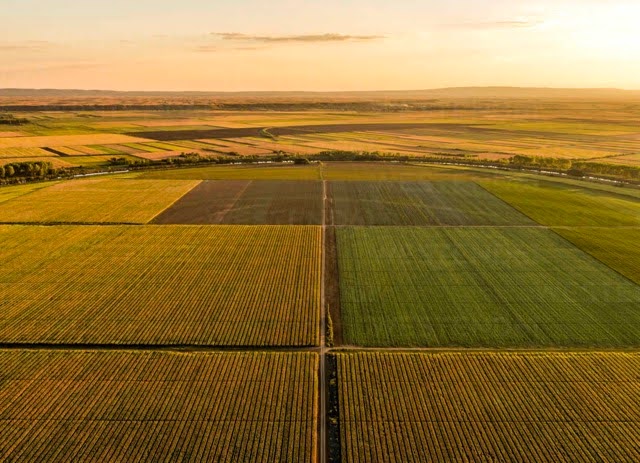
Farmland is a classic generational asset because it can produce income and has shown long-run value growth. USDA ERS reports average U.S. farmland value around $4,350/acre in 2025, up year-over-year.

That doesn’t mean it goes up every year everywhere—but it does help explain why families treat acres like heirlooms.
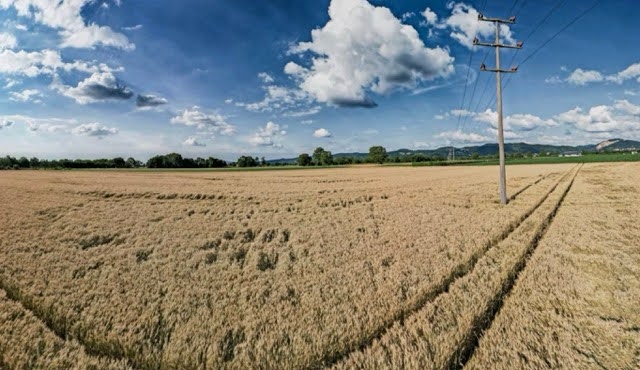
In a world where everything else feels rented—from apps to apartments—land is one of the few assets you can truly own, grow, and hand down with pride. When cared for and planned wisely, it doesn’t just hold value; it carries forward opportunity, stability, and a family’s story for generations.


Filed Under: Uncategorized

From “Useless” to “Useful”: How to Turn Steep Slopes, Wetlands, & Rocky Parcels into Valuable Land

January 13, 2026 by Miles McLaughlin Leave a Comment

If your land seems more “ouch” than “wow,” you’re in good company. Steep hillsides, soggy wetlands, and jagged rocky parcels have an unfortunate knack for sitting idle — or triggering neighborly eye rolls whenever someone looks at your property line.

But what if we told you that “unusable” land is just “unimaginatively used” land? With the right planning and a splash of creativity, even the most challenging terrain can become productive — and profitable. From agriculture to recreation and environmental services, reclaiming tough land is both an art and a science.

1. Steep Slopes — Turn Mountains into Money

Steep hillsides might seem impossible to farm or build on, but with terracing, they can become productive paradise.

💡 Terrace Farming: Carving flat levels into slopes — think rice terraces in Asia or vine yards in California — lets gravity work for you instead of against you. Terraces reduce erosion, slow stormwater, and create flat planting surfaces for crops or gardens.

  • Wine Country Win: California hillsides once too steep for tractors now produce grapes thanks to engineered terraces. 
  • Heritage Fields: The Rice Terraces of the Philippine Cordilleras stand as a testament to what humans can do on steep terrain — these ancient steps feed communities and serve as cultural icons. 

📈 Why it works: Terraces interrupt water flow down a slope, reducing erosion and helping soils retain nutrients — a smart combo for vineyards, orchards, and edible landscapes. 

2. Wetlands — Not “Worthless,” Just Waterlogged

Before draining wetlands, consider this: these soggy spots are ecological MVPs. But with thoughtful design, they can serve both nature and people.

🌿 Constructed Wetlands: Instead of straight-up draining wetlands, some land planners use constructed wetland systems to improve stormwater management, recharge aquifers, and even support wildlife while maintaining beauty and function. These systems can add value by managing runoff and enhancing biodiversity.

💧 Flood Mitigation Parks: In cities, “green infrastructure” turns low-lying areas into park spaces that absorb excess water and provide recreation zones — win for city planners and residents alike.

👍 The takeaway? Think of wetlands not as “ugly dead zones” but as performance landscapes that protect water quality, prevent floods, and offer habitat and recreation.

3. Rocky Parcels — Stony Ground, Golden Opportunities

If your land has more boulders than grass, it might feel like a geological obstacle course — but that’s a feature, not a flaw.

🪨 Rock Gardens & Landscape Features: Rather than clear rocks wastefully, integrate them into rock gardens, retaining walls, or aesthetic focal points for parks and yards.

📌 Slope Stabilization & Green Infrastructure: Planting strategies like revegetation and native plant establishment help stabilize rocky ground, slow erosion, and improve soil over time, even on tough surfaces.

🎯 Creative Uses:

  • Amphitheaters: Natural stone grades lend themselves to outdoor seating or small performance spaces. 
  • Adventure Parks: East Coast quarries and rocky slopes have been converted into climbing parks and trail networks. 
  • Terraced Landscaping: Yes, even rocky slopes can be stepped into usable tiers with expert engineering.

4. Bonus Tools in the Toolbox

Here’s a quick rundown of techniques professionals use when tackling tough land:

🌱 Revegetation & Erosion Control — Plant grasses, shrubs, and trees to stabilize soils and prevent washouts.
🍃 Contour Farming — Grow crops along natural contours to protect soil and make farming feasible on slopes.
🌾 Rain Gardens & Bioswales — Capture and cleanse stormwater naturally in depressions and channels, turning drainage issues into amenities. 

Conclusion: Your Land’s Story Isn’t Over — It’s Just Starting

When you look at steep slopes, wetlands, or rocky parcels and see headaches, remember this: engineers, planners, and creative landowners see potential. From terraced vineyards to community parks, there’s an entire playbook for transforming challenging land into something smart, sustainable, and profitable.

Unusable? Hardly. It just needed a bit of vision.


Filed Under: Uncategorized

Land Banking 101: How to Build Wealth with Land

January 13, 2026 by Miles McLaughlin Leave a Comment

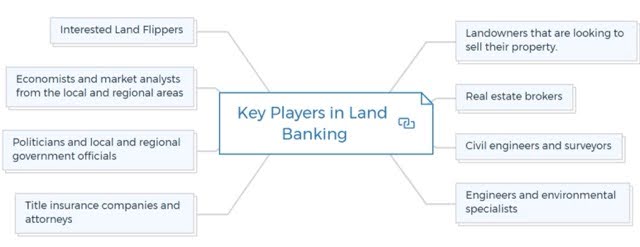
If you’ve ever dreamed of turning dirt into dollars (literally), land banking might just be your new favorite phrase. At its core, land banking means buying undeveloped or under-utilized land and holding onto it for future profit — the classic “buy low, sell high” of real estate investing. In simple terms, you purchase land today and sell it later when its value has increased due to development, population growth, or improved infrastructure.

Unlike flipping houses or juggling rental properties, land banking is a long-term play. You’re not collecting rent or fixing leaky faucets — you’re playing the patient game while the land appreciates. One big reason this works? Land is finite. There’s only so much of it, and as cities expand outward or infrastructure projects roll out, demand — and price — tends to climb. 

But don’t think of it as a passive lottery ticket. Smart land bankers do their homework: they study market trends, zoning laws, future development plans, and regional growth patterns. Investing near transport hubs, new commercial projects, or urban growth corridors can dramatically boost your chances of profit.

Of course, every strategy has risks. The market doesn’t always move in a straight line, and holding land for years requires patience and capital. In some markets, unregulated land banking schemes have raised red flags — so always do due diligence and work with reputable professionals.

In a world where traditional investments can feel volatile, land banking offers a tangible, long-term path to wealth for the savvy investor willing to think big — and wait. 

Screenshot


Filed Under: Uncategorized

Living Part-Time on Raw Land: A Love Story with Dirt

January 13, 2026 by Miles McLaughlin Leave a Comment

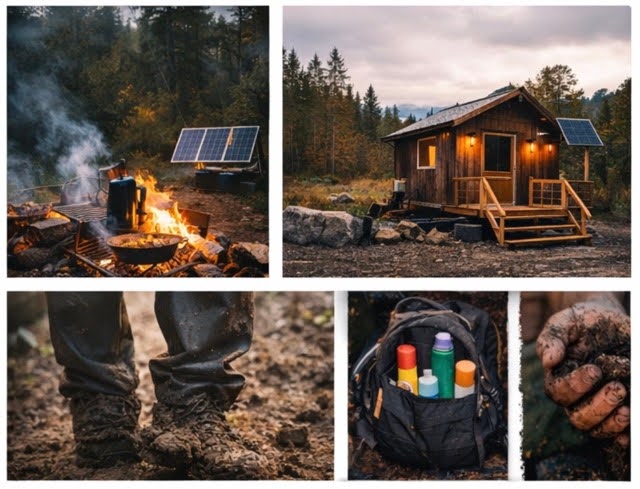
There’s something wildly romantic about owning a piece of raw land. No HOA, no nosy neighbors, no “approved paint colors.” Just you, a patch of earth, and the distant sound of your inner pioneer saying, “I could totally live here… sometimes.”

Living part-time on raw land is like dating the wilderness instead of marrying it. You get all the charm—wide-open skies, birdsong, and sunsets that make Instagram weep—without fully committing to year-round mud, frozen pipes, or a generator that only works when Mercury is in retrograde.

Your setup might be a camper, a yurt, a tiny cabin, or something you swore was “temporary” but now has a porch and a Wi-Fi booster. You arrive with groceries, optimism, and three different types of bug spray. You leave with stories, dirt under your nails, and a deep appreciation for flush toilets.

Part-time land living teaches you practical skills you never knew you’d need. You become an amateur meteorologist, a semi-professional firewood stacker, and a master of finding things in the dark with a headlamp. You learn which tools are essential and which ones just look good leaning against a tree.

The beauty is in the balance. You get to unplug, slow down, and remember what stars look like without light pollution. Then, just as you start to miss hot showers and takeout, you head back to civilization like a rugged hero returning from a very muddy quest.

Raw land doesn’t need to be an all-or-nothing lifestyle. Sometimes it’s better as a weekend romance—wild, refreshing, and just structured enough to keep you sane. And honestly, absence makes the dirt grow fonder.

Screenshot

Filed Under: Uncategorized

Using Your Land for Carbon Credits

January 13, 2026 by Miles McLaughlin Leave a Comment

So you own a patch of land — and besides perfecting your “I own land” Instagram selfie, what else can it do for you? How about earning you cash just for letting nature do its thing? Welcome to the world of carbon credits, where your trees and soil become environmental superheroes and paid accordingly.

Here’s the skinny: a carbon credit is basically a permission slip worth one metric ton of carbon dioxide that was removed or avoided from the atmosphere. Think of it as selling the good vibes your land generates. Companies with carbon footprints bigger than their coffee addiction buy these credits to offset their emissions.

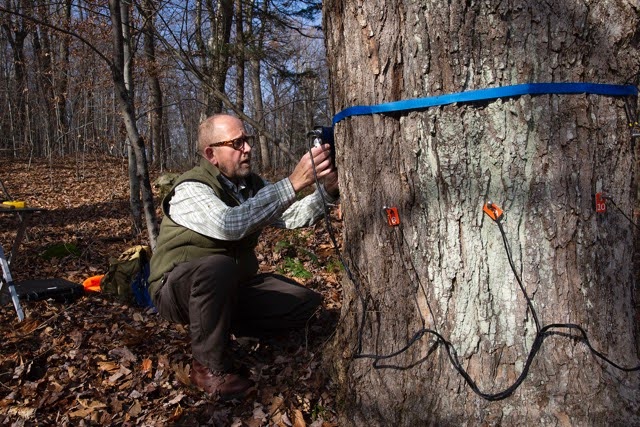
So how does your land get in on the action? First, you join a carbon program that measures how much CO₂ is being stored on your property — from trees doing photosynthesis to soils gobbling up carbon and keeping it there. Next, independent verifiers crunch numbers and confirm the carbon is legit. Once certified, those credits can be sold on voluntary carbon markets to companies chasing sustainability goals.

Before you start imagining dollar signs sprouting from oak trees, know this: enrollment takes planning, monitoring, and sometimes long-term commitments. But the payoff? A unique income stream that rewards you for being a climate-conscious landowner — a combo few get to claim.

Want to put your land to work without bulldozers, permits, or construction dust? Carbon credits might be the green you didn’t know your land was hiding. 🌱💰


Filed Under: Uncategorized

What Happens to Land During a Recession

January 13, 2026 by Miles McLaughlin Leave a Comment

Recessions have a funny way of turning land into a personality test. Some people see “opportunity.” Others see “run away.” And land? Land just sits there, quietly judging everyone’s financing assumptions.

Unlike homes or stocks, land doesn’t trade often, so it rarely “crashes” overnight. What usually happens first is a freeze: buyers get cautious, banks tighten credit, and deals take longer. The Federal Reserve’s Senior Loan Officer Opinion Survey consistently shows that during downturns, banks tighten standards for construction and land-development loans, which makes speculative land especially hard to finance. When the money pulls back, activity does too.

Prices follow, but unevenly. Well-located, fully usable parcels—think infill lots or productive farmland—tend to hold up better than “someday” land that needs rezoning, infrastructure, or a brave developer. The Great Financial Crisis made this painfully clear: analysts at the Lincoln Institute of Land Policy found that much of the housing boom (and bust) was driven by swings in land values, not just buildings. When expectations for future development collapsed, land tied to those hopes took the hit.

Farmland behaved differently. According to the USDA, U.S. farm real-estate values dipped in 2009, then began recovering in 2010, reflecting its link to income (crops and rents) and long-term scarcity rather than homebuilder demand. It didn’t escape the recession—but it didn’t implode either.

For buyers, this is where recessions quietly shine. Fewer bidders and tighter credit create motivated sellers: developers stuck mid-cycle, landowners facing balloon payments, or heirs who just want a clean exit. Deals start to include seller financing, price concessions, or flexible closing terms—things that are rare when markets are hot.

The smart recession land buyer isn’t reckless; they’re meticulous. They verify zoning, access, and utilities, run conservative cash-flow and exit scenarios, and assume timelines will stretch. Do that, and downturns can turn into the moment you buy tomorrow’s valuable dirt at yesterday’s optimistic price.


Filed Under: Uncategorized

  • « Previous Page
  • 1
  • 2
  • 3
  • 4
  • …
  • 12
  • Next Page »

Join the newsletter

Sign up to receive our newest listings:

Success! Now check your email to confirm your subscription.

There was an error submitting your subscription. Please try again.

We won't send you spam. Unsubscribe at any time. Powered by ConvertKit

About Wilco Land

Thanks for ​checking out​ ​Wilco Land​! My name is Miles McLaughlin. ​Wilco Land was​ ​started to ​increase the availability and exposure of vacant land that is going unused. Our goal is to provide land at an affordable price, so everyone has the opportunity to own a piece of America for themselves. Questions or want to chat? Give us a call or email, we love to talk land.

Follow Us

  • Facebook
  • Twitter

We help you find your dream land.

Whether you are looking for a beautiful setting for a second home, a place to camp and hunt, or a legacy to leave your family, we offer epic and unique properties that fit what you need..

Contact: (605) 299-5553
Email: sales@wilcolandllc.com

  • Home
  • Listings
  • On Sale
  • Payment
  • Team
  • FAQs
  • Earn $250
  • Blog
  • Sell Your Land
  • Contact Us

Copyright © 2026 · AgentPress Pro Theme on Genesis Framework · WordPress · Log in | Terms of Use and Privacy Policy