Wilco Land

Find Your Dream Property

  • Home
  • Listings
  • On Sale
  • Payment
  • Team
  • FAQs
  • Earn $250
  • Blog
  • Sell Your Land
  • Contact Us

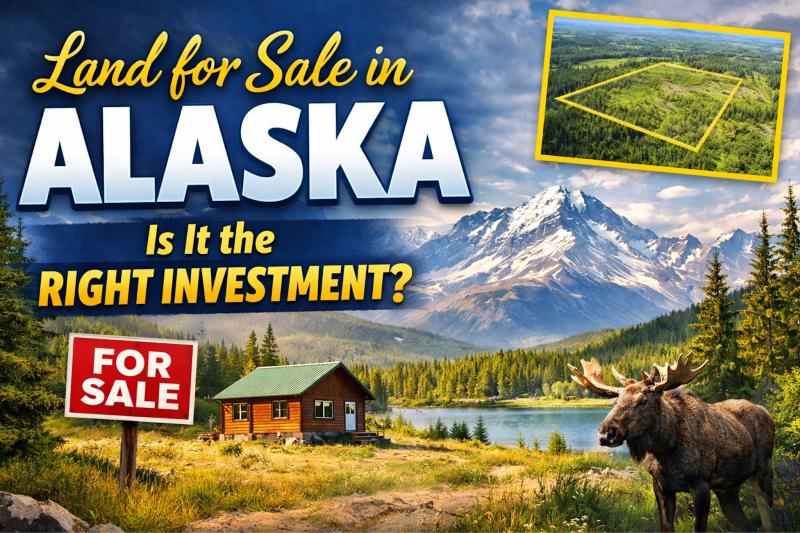
Is Land for Sale in Alaska the Right Investment for You?

March 24, 2026 by Miles McLaughlin Leave a Comment

If you’ve ever dreamed of owning a slice of untouched wilderness, you’re not alone. Interest in land for sale in Alaska has surged in recent years driven by affordability, freedom, and the appeal of off-grid living. But is it actually a smart investment?

In this guide, we’ll break down the opportunities, risks, and real-world considerations—and show you how to explore available properties through Wilco Land listings

Why Investors Are Looking at Land for Sale in Alaska

Alaska offers something few other markets can: vast, undeveloped land at relatively low prices. In fact, rural properties remain significantly more affordable than urban areas, attracting buyers seeking space and independence

Here’s why many investors are taking a closer look:

1. Affordable Entry Points

You can still find land for sale in Alaska cheap, especially in rural or remote regions. Compared to the lower 48 states, large acreage can cost a fraction of the price .

This makes it appealing for:

  • First-time land investors
  • Long-term buy-and-hold strategies
  • Buyers looking for cheap land for sale in Alaska wilderness

2. Abundant Land & Natural Beauty

Alaska has hundreds of millions of acres, much of it undeveloped. That means:

  • Privacy
  • Scenic views (mountains, rivers, forests)
  • Endless recreational potential

Owning remote land for sale in Alaska isn’t just an investment—it’s a lifestyle move

3. Long-Term Appreciation Potential

Vacant land tends to appreciate over time, especially when infrastructure expands or demand increases .

While appreciation in Alaska is typically slow and steady, certain properties—like those with road access or water frontage—can increase in value faster

The Appeal of Off-Grid Living

One of the biggest draws is off the grid land for sale in Alaska.

This type of property attracts:

  • Homesteaders
  • Preppers
  • Outdoor enthusiasts
  • Buyers seeking independence from utilities

Off-grid land offers:

  • Lower ongoing costs
  • Greater privacy
  • Freedom to build your vision

But it also requires planning. Harsh winters, limited sunlight, and infrastructure challenges mean off-grid living isn’t for everyone

What About Financing?

A common question is how to finance land purchases in Alaska.

Here’s the reality:

  • Traditional lenders often view vacant land as higher risk
  • Loan-to-value ratios can be lower (around 50%)
  • Seller financing is often more common

This is why many buyers search for land for sale by owner in Alaska, where flexible payment options may be available.

👉 On platforms like Wilco Land, you can often find listings that simplify the buying process – especially for remote or off-grid properties.

Who Should Invest in Alaska Land?

Land for sale in Alaska may be right for you if you:

✔ Want a long-term investment
✔ Value privacy and outdoor living
✔ Are interested in off-grid or homesteading lifestyles
✔ Are comfortable with limited infrastructure

It may NOT be ideal if you:

✘ Need quick returns
✘ Prefer turnkey properties
✘ Don’t want to manage remote logistics

Explore Available Listings

If you’re ready to explore opportunities, check out:
👉 https://wilcolandllc.com/listings/

You’ll find a variety of:

  • Land for sale in Alaska cheap
  • Remote land for sale in Alaska
  • Off the grid land for sale in Alaska
  • Flexible land for sale by owner in Alaska options

These listings can help you compare locations, pricing, and features – so you can find land that matches your goals.

Final Thoughts

Investing in cheap land for sale in Alaska wilderness can be incredibly rewarding—but it’s not a one-size-fits-all opportunity.

The key is understanding what you’re buying:

  • Is it a financial investment?
  • A lifestyle shift?
  • Or both?

With the right expectations – and the right property – Alaska land can offer a unique combination of affordability, freedom, and long-term potential.

Filed Under: Uncategorized

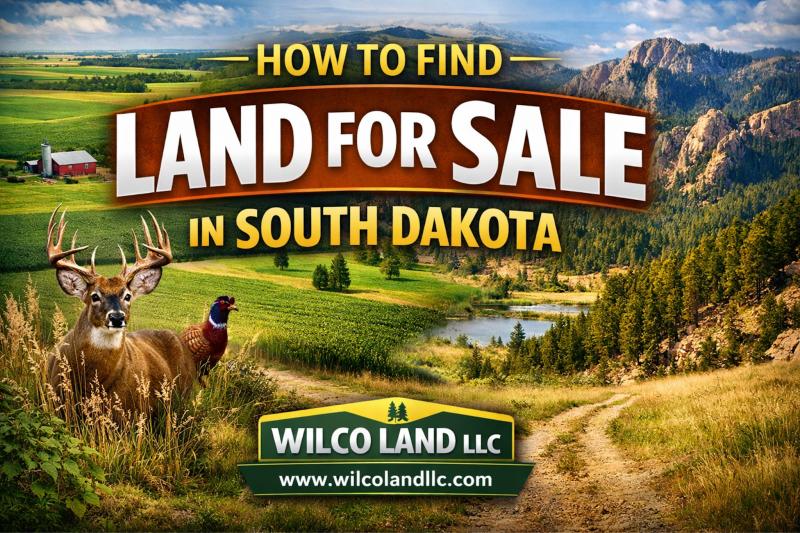
How to Find Land for Sale in South Dakota: A Buyer’s Guide

March 24, 2026 by Miles McLaughlin Leave a Comment

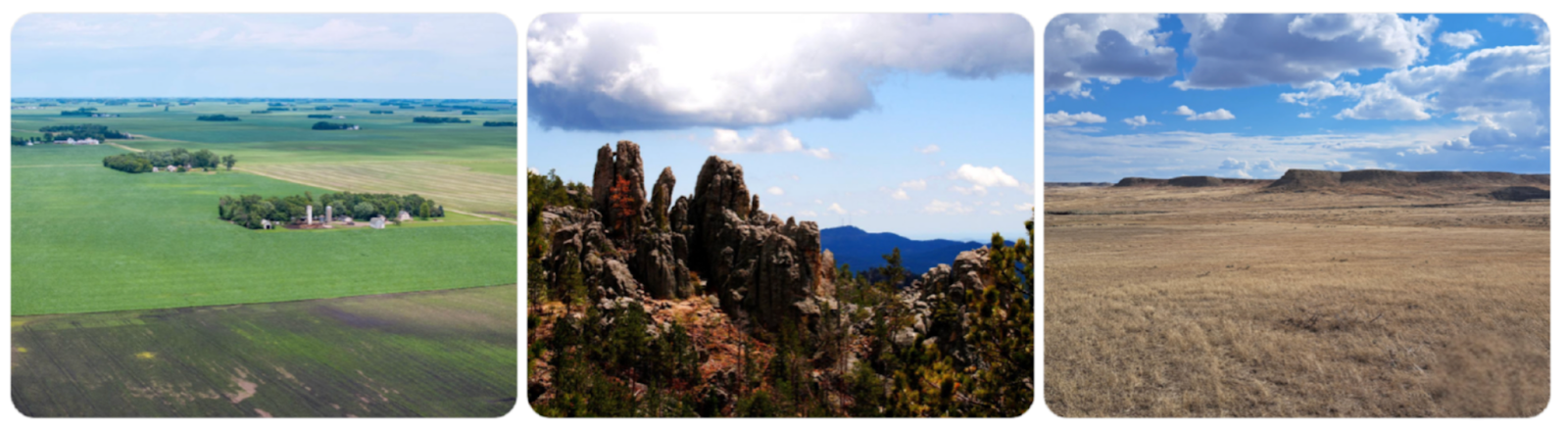
South Dakota is one of the best-kept secrets for land buyers in the U.S. Whether you’re searching for wide-open ranch acreage, fertile farmland, or scenic hunting property, the state offers diverse opportunities at competitive prices.

If you’re looking for land for sale in South Dakota, this guide will walk you through everything you need to know – from where to search to how to evaluate and buy rural land using online platforms like your own listings at Wilco Land.

Why Buy Land in South Dakota?

South Dakota offers a unique combination of affordability, natural beauty, and investment potential:

  • Low population density and wide-open spaces ideal for rural living
  • Strong agricultural economy with fertile soils in the eastern region
  • Excellent hunting and recreational opportunities, especially for pheasant and deer
  • Favorable tax environment, including no state income tax

From investment to lifestyle, buyers are drawn to the flexibility that South Dakota land provides.

Types of Land for Sale in South Dakota

Understanding your goals is the first step before browsing listings.

1. Farm Land for Sale in South Dakota

Eastern South Dakota is known for highly productive soils, making it ideal for:

  • Corn, soybean, and wheat farming
  • Long-term agricultural investment

Farmland can generate income and even build generational wealth when managed properly

2. Ranch Land for Sale in South Dakota

Western South Dakota offers:

  • Large grazing acreage
  • Rolling plains and pastureland
  • Ideal conditions for cattle operations

Ranch properties often include water systems, fencing, and infrastructure for livestock.

3. Hunting Land for Sale in South Dakota

South Dakota is famous for:

  • Pheasant hunting
  • Deer and waterfowl

Many buyers seek land that combines recreation with investment potential.

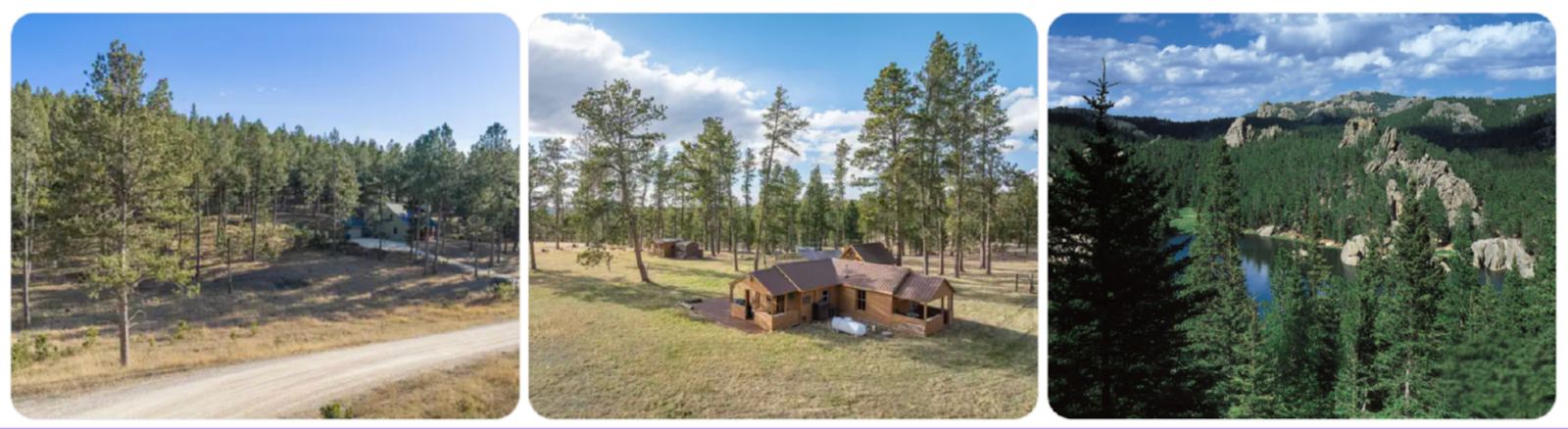
  1. Land for Sale in South Dakota Black Hills

The Black Hills region offers:

  • Scenic mountain views
  • Timbered lots
  • Proximity to tourism hotspots

Perfect for vacation homes, cabins, or recreational retreats.

5. Cheap Land for Sale in South Dakota

Affordable land options exist across rural counties:

  • Smaller parcels
  • Undeveloped land
  • Remote acreage

Prices can vary widely depending on location, with some rural land averaging around a few thousand dollars per acre

6. Land for Sale in South Dakota with Water

Water access is critical, especially for:

  • Farming and ranching
  • Hunting properties
  • Long-term land value

Some properties include wells, creeks, or water rights—always verify availability before purchasing.

7. Land for Sale by Owner in South Dakota

Buying land for sale by owner in South Dakota can:

  • Reduce costs (no agent fees)
  • Offer flexible negotiations
  • Provide direct communication with sellers

Platforms like your site make these opportunities easier to find.

Tips for First-Time Buyers

  • Define your purpose: investment, farming, recreation, or building
  • Visit the property in person whenever possible
  • Research water rights and environmental factors
  • Compare multiple listings before deciding

Why Use Wilco Land LLC?

Your platform, Wilco Land LLC, simplifies the process of finding:

  • Land for sale in South Dakota
  • Farm land for sale in South Dakota
  • Hunting land for sale in South Dakota
  • Ranch land for sale in South Dakota
  • Land for sale in South Dakota with water

By offering curated listings and easy navigation, it helps buyers confidently explore rural opportunities without the overwhelm of large marketplaces.

Final Thoughts

Finding the right land for sale in South Dakota doesn’t have to be complicated. With the right strategy—and the right platform—you can quickly identify properties that match your goals.

Whether you’re searching for cheap land, a productive farm, or a scenic Black Hills retreat, start your journey today by browsing:

👉 https://wilcolandllc.com/listings/

Your ideal piece of South Dakota land might be just a few clicks away.

Filed Under: Uncategorized

Why Land for Sale in Wyoming Is a Smart Investment

March 24, 2026 by Miles McLaughlin Leave a Comment

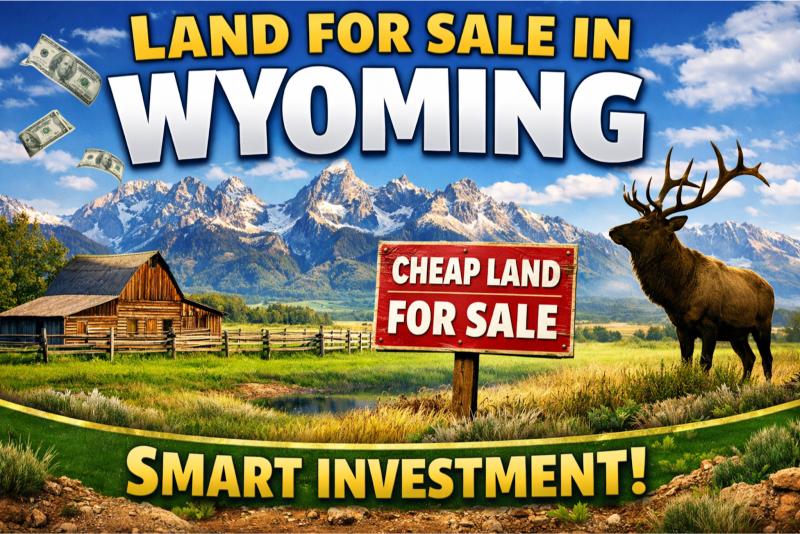
If you’ve been searching for a reliable, long-term investment that offers both financial and lifestyle benefits, land for sale in Wyoming should be at the top of your list. With its wide-open spaces, low population density, and growing interest from buyers nationwide, Wyoming presents a unique opportunity for investors, homesteaders, and outdoor enthusiasts alike.

At Wilco Land, we specialize in connecting buyers with premium and affordable land opportunities across the state. Whether you’re looking for recreational property, farmland, or a future homesite, Wyoming has something to offer.

The Appeal of Wyoming Land

Wyoming is known for its stunning landscapes, business-friendly environment, and lack of state income tax. These advantages make owning land here especially attractive.

1. Affordable Entry Point

Compared to many other states, you can still find cheap land for sale in Wyoming without sacrificing beauty or potential. Investors looking for land for sale in Wyoming cheap will appreciate the lower cost per acre, making it easier to acquire larger parcels.

2. Diverse Land Opportunities

Wyoming offers a wide variety of land types, each suited for different goals:

  • Farm land for sale in Wyoming: Ideal for agriculture, ranching, or sustainable living
  • Mountain land for sale in Wyoming: Perfect for scenic retreats, cabins, or vacation properties
  • Hunting land for sale in Wyoming: A top choice for outdoor enthusiasts seeking access to wildlife and recreation

This diversity allows buyers to tailor their investment based on lifestyle or income potential.

3. Growing Demand in Key Cities

Certain areas in Wyoming are gaining traction due to development and accessibility:

  • Land for sale in Casper, Wyoming – A growing hub with strong infrastructure and job opportunities
  • Land for sale in Laramie, Wyoming – Popular among students, retirees, and nature lovers
  • Land for sale in Cheyenne, Wyoming – The state capital, offering economic stability and expansion potential

These locations are especially attractive for buyers who want both rural charm and proximity to amenities.

Long-Term Investment Benefits

Buying land isn’t just about today—it’s about tomorrow.

  • Appreciation Potential: As more people seek space and affordability, Wyoming land values are steadily increasing
  • Low Holding Costs: Property taxes in Wyoming are among the lowest in the country
  • Flexible Use: Build now, later, or hold as a long-term asset

Whether you plan to develop or simply hold your property, Wyoming land offers flexibility that few investments can match.

Steps to Buy Land for Sale in Wyoming

If you’re ready to invest, here are the essential steps to buy land for sale in Wyoming:

  1. Define Your Purpose
    Decide whether you want residential, agricultural, recreational, or investment land
  2. Set Your Budget
    Factor in not just purchase price, but potential development and maintenance costs
  3. Explore Listings
    Browse available properties on Wilco Land to find land that matches your goals
  4. Research Zoning & Utilities
    Check local regulations, road access, water availability, and power options
  5. Conduct Due Diligence
    Review surveys, titles, and property history before purchasing
  6. Close the Deal
    Work with professionals to ensure a smooth and secure transaction

Why Choose Wilco Land LLC?

At Wilco Land LLC, we make it easy to find the perfect piece of land for sale in Wyoming. Our listings include everything from cheap land for sale in Wyoming to premium recreational and agricultural properties.

We focus on:

  • Transparent pricing
  • High-quality listings
  • Helping buyers find land that fits their vision

Whether you’re searching for hunting land for sale in Wyoming, mountain land for sale in Wyoming, or build-ready parcels near growing cities, we’re here to guide you every step of the way.

Final Thoughts

Investing in land for sale in Wyoming is more than just a purchase—it’s a strategic move toward financial growth, independence, and opportunity. With affordable options, diverse landscapes, and increasing demand, Wyoming stands out as one of the smartest land investment choices in the U.S.

Ready to get started?
Explore available properties today at Wilco Land and take the first step toward owning your piece of Wyoming.

Filed Under: Uncategorized

Top 5 Tips for Buying Land for Sale in Washington State

March 24, 2026 by Miles McLaughlin Leave a Comment

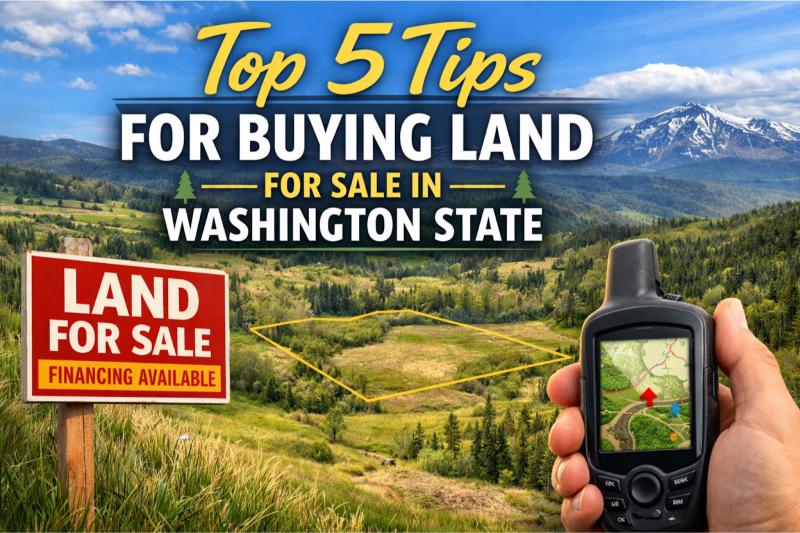
Buying land is one of the most exciting and rewarding investments you can make – especially in a diverse and opportunity-filled market like Washington. Whether you’re looking for lands for sale in Washington State for recreation, building, or long-term investment, knowing what to look for can save you time, money, and stress.

At Wilco Land, we specialize in making land ownership simple, affordable, and accessible—with flexible seller financing and a wide range of properties to choose from. Browse available listings to see what’s currently available.

Here are our top 5 tips to help you confidently buy undeveloped land in Washington.

1. Define Your Purpose Before You Buy

Before you start browsing lands for sale in Washington State, ask yourself one simple question:

What do I want to use the land for?

  • Recreational use (camping, hunting, RVing)
  • Building a home or cabin
  • Long-term investment or land banking
  • Off-grid living

Different types of land come with different requirements. For example, raw or undeveloped land may not have utilities or road access, which can impact your plans and costs. ()

Having a clear vision will help you quickly narrow down the right property.

2. Look Beyond Price—Understand True Value

It’s easy to get excited about cheap lands for sale in Washington, but price alone doesn’t tell the full story.

Make sure to evaluate:

  • Road access and legal entry points
  • Terrain and usability
  • Proximity to utilities (power, water, sewer)
  • Zoning and land-use restrictions

Raw land often comes at a lower upfront cost, but may require additional investment to make it usable. ()

That said, affordable land can still be a great deal—especially when you’re buying below market value or planning long-term.

3. Do Your Due Diligence (It Matters!)

When buying undeveloped land in Washington, due diligence is everything.

Here’s what to check:

  • Property boundaries and surveys
  • County zoning and building rules
  • Flood zones or environmental concerns
  • Access to utilities or the cost to install them

Many buyers skip this step and regret it later. Taking time to research ensures you know exactly what you’re buying—and what you can do with it. 

4. Understand Financing Options for Raw Land

One of the biggest surprises for buyers is how different financing raw land is compared to buying a house.

Traditional banks are often hesitant to lend on vacant land because it’s considered riskier. ()

Here’s what you need to know about how to finance raw land:

  • Larger down payments are often required
  • Interest rates may be higher
  • Approval can depend on your plans for the property

Many buyers turn to seller financing, which offers:

  • Flexible payment terms
  • Lower upfront costs
  • No traditional bank approval

At Wilco Land, we make land ownership easier by offering flexible financing options—even for buyers who may not qualify through a bank. 

5. Work With a Trusted Land Seller

Not all land sellers are the same. When buying lands for sale in Washington State, working with a reputable company can make the entire process smoother.

Look for a seller who offers:

  • Transparent pricing
  • Clear property details and maps
  • Support throughout the buying process
  • Flexible financing options

At Wilco Land, our goal is simple: help everyday people become landowners with affordable properties and straightforward guidance. 

Final Thoughts

Washington offers incredible opportunities – from scenic mountain properties to wide-open rural acreage. Whether you’re searching for cheap lands for sale in Washington or planning to invest in your future, the right preparation makes all the difference.

By defining your goals, doing proper research, and understanding your financing options, you’ll be well on your way to owning your own piece of land.

Ready to take the next step? Explore our latest lands for sale in Washington State and start your journey today.

👉 View current listings here

Filed Under: Uncategorized

Why We Believe in Land

January 13, 2026 by Miles McLaughlin Leave a Comment

The world is changing faster than ever.

Technology is reshaping how we work, how we live, and where we can go. People are no longer tied to offices, cities, or even specific states. We’re more mobile than at any point in history—and that shift is redefining what it means to own property.

That’s why we believe in land.

Not just any land—but rural land in special markets where natural beauty, freedom, and long-term value intersect. Land is more than a real estate asset. It is the foundation of the future.

There is only so much land in this country. They aren’t making any more of it. And as more people leave crowded cities in search of space, privacy, and independence, demand for rural land continues to rise while supply stays fixed. Over time, that imbalance only grows.

As technology expands what’s possible, land becomes even more powerful. Remote work, satellite internet, off-grid systems, alternative building, and renewable energy are all changing how people can use property. In the future, access to land won’t just be about building a house—it will be about freedom of movement, self-reliance, and opportunity.

Heck, maybe in 100 years we’ll all be riding flying motorcycles. But even then, you’ll still need a place to land.

During times of political, economic, and technological uncertainty, rural land has historically been one of the most stable places to store wealth. Think about it. Banking systems are evolving. Digital currencies are changing how money works. Global politics shift overnight. Markets swing wildly.

But American soil doesn’t disappear.

Land is tangible. You can walk it. Touch it. Improve it. Protect it. It doesn’t depend on a server, a stock exchange, or a corporation staying solvent. It’s timeless. It’s real. And surprisingly, it’s still undervalued compared to almost every other asset class.

Land doesn’t go out of style. It doesn’t become obsolete. It doesn’t get disrupted by an app.

That’s why we believe in land ownership—not as a short-term trade, but as a long-term foundation for freedom, security, and opportunity.

We don’t just sell land.

We believe in it.

Filed Under: Uncategorized

How Land Ownership Builds Generational Wealth: Why Families Hold Land for Decades

January 13, 2026 by Miles McLaughlin Leave a Comment

Land is the original “buy and hold.” Before index funds, before crypto, before your cousin tried to sell you fractional ownership of a vineyard in the metaverse, families built security the old-fashioned way: they owned dirt, kept it, and passed it down.

And honestly? The dirt keeps receipts.

1) Land is scarce. Your money is… enthusiastic.

You can print money. You can’t print a new coastline, a new downtown, or an extra acre next to the highway exit everyone suddenly loves.

That scarcity is why land often appreciates over long periods—especially when population grows, infrastructure shows up, or zoning restricts what can be built. (Translation: the value rises partly because the neighborhood changes and partly because the rules say “nope” to more supply.)

2) It’s forced saving in a world of “treat yourself”

A huge reason land builds wealth is boring—in the best way: it forces you to accumulate equity.

In the U.S., home equity is a major chunk of what typical households own. Pew found that if you strip home equity out, median net worth drops dramatically (from $166,900 to $57,900 in their 2021 analysis). That’s not just a statistic; that’s the plot.

3) Land can pay rent while it appreciates (the “two engines” trick)

Unlike many assets, land and real estate can:

  • Appreciate over time, and
  • Generate cash flow (rent, farm income, grazing leases, timber, even wind/solar leases in some places)

That combination is why families will hold property for decades: it’s not just a number on paper—it can help pay tuition, cover emergencies, or fund a retirement without selling the underlying asset.

4) It’s easier to pass down than a stock portfolio (emotionally and practically)

A brokerage account is divisible with a few clicks. A family farm, cabin, or “grandma’s lot” is a story—memories, identity, and tradition. People will endure paperwork, sibling group chats, and decades of mowing just to keep it.

Also, practically: property is a “visible” asset. It’s easier for many families to rally around a place than an abstract mix of funds and tickers.

5) The tax code often rewards patient landowners (yes, really)

Two big (very real) reasons long-term holders like holding:

  • Like-kind exchanges (Section 1031): In certain cases, exchanging investment/business real property for other qualifying real property can defer capital gains taxes (tax-deferred, not tax-free).
  • Stepped-up basis at death: In many situations, inherited assets get their basis adjusted, which can reduce capital gains taxes if heirs sell later. (Details vary—talk to a pro for your situation.)

This helps explain the “we’re never selling” family vibe. Sometimes it’s sentiment. Sometimes it’s spreadsheets.

6) Farmland is a special flavor of “hold it forever”

Farmland is a classic generational asset because it can produce income and has shown long-run value growth. USDA ERS reports average U.S. farmland value around $4,350/acre in 2025, up year-over-year.

That doesn’t mean it goes up every year everywhere—but it does help explain why families treat acres like heirlooms.

In a world where everything else feels rented—from apps to apartments—land is one of the few assets you can truly own, grow, and hand down with pride. When cared for and planned wisely, it doesn’t just hold value; it carries forward opportunity, stability, and a family’s story for generations.


Filed Under: Uncategorized

From “Useless” to “Useful”: How to Turn Steep Slopes, Wetlands, & Rocky Parcels into Valuable Land

January 13, 2026 by Miles McLaughlin Leave a Comment

If your land seems more “ouch” than “wow,” you’re in good company. Steep hillsides, soggy wetlands, and jagged rocky parcels have an unfortunate knack for sitting idle — or triggering neighborly eye rolls whenever someone looks at your property line.

But what if we told you that “unusable” land is just “unimaginatively used” land? With the right planning and a splash of creativity, even the most challenging terrain can become productive — and profitable. From agriculture to recreation and environmental services, reclaiming tough land is both an art and a science.

1. Steep Slopes — Turn Mountains into Money

Steep hillsides might seem impossible to farm or build on, but with terracing, they can become productive paradise.

💡 Terrace Farming: Carving flat levels into slopes — think rice terraces in Asia or vine yards in California — lets gravity work for you instead of against you. Terraces reduce erosion, slow stormwater, and create flat planting surfaces for crops or gardens.

  • Wine Country Win: California hillsides once too steep for tractors now produce grapes thanks to engineered terraces. 
  • Heritage Fields: The Rice Terraces of the Philippine Cordilleras stand as a testament to what humans can do on steep terrain — these ancient steps feed communities and serve as cultural icons. 

📈 Why it works: Terraces interrupt water flow down a slope, reducing erosion and helping soils retain nutrients — a smart combo for vineyards, orchards, and edible landscapes. 

2. Wetlands — Not “Worthless,” Just Waterlogged

Before draining wetlands, consider this: these soggy spots are ecological MVPs. But with thoughtful design, they can serve both nature and people.

🌿 Constructed Wetlands: Instead of straight-up draining wetlands, some land planners use constructed wetland systems to improve stormwater management, recharge aquifers, and even support wildlife while maintaining beauty and function. These systems can add value by managing runoff and enhancing biodiversity.

💧 Flood Mitigation Parks: In cities, “green infrastructure” turns low-lying areas into park spaces that absorb excess water and provide recreation zones — win for city planners and residents alike.

👍 The takeaway? Think of wetlands not as “ugly dead zones” but as performance landscapes that protect water quality, prevent floods, and offer habitat and recreation.

3. Rocky Parcels — Stony Ground, Golden Opportunities

If your land has more boulders than grass, it might feel like a geological obstacle course — but that’s a feature, not a flaw.

🪨 Rock Gardens & Landscape Features: Rather than clear rocks wastefully, integrate them into rock gardens, retaining walls, or aesthetic focal points for parks and yards.

📌 Slope Stabilization & Green Infrastructure: Planting strategies like revegetation and native plant establishment help stabilize rocky ground, slow erosion, and improve soil over time, even on tough surfaces.

🎯 Creative Uses:

  • Amphitheaters: Natural stone grades lend themselves to outdoor seating or small performance spaces. 
  • Adventure Parks: East Coast quarries and rocky slopes have been converted into climbing parks and trail networks. 
  • Terraced Landscaping: Yes, even rocky slopes can be stepped into usable tiers with expert engineering.

4. Bonus Tools in the Toolbox

Here’s a quick rundown of techniques professionals use when tackling tough land:

🌱 Revegetation & Erosion Control — Plant grasses, shrubs, and trees to stabilize soils and prevent washouts.
🍃 Contour Farming — Grow crops along natural contours to protect soil and make farming feasible on slopes.
🌾 Rain Gardens & Bioswales — Capture and cleanse stormwater naturally in depressions and channels, turning drainage issues into amenities. 

Conclusion: Your Land’s Story Isn’t Over — It’s Just Starting

When you look at steep slopes, wetlands, or rocky parcels and see headaches, remember this: engineers, planners, and creative landowners see potential. From terraced vineyards to community parks, there’s an entire playbook for transforming challenging land into something smart, sustainable, and profitable.

Unusable? Hardly. It just needed a bit of vision.


Filed Under: Uncategorized

Land Banking 101: How to Build Wealth with Land

January 13, 2026 by Miles McLaughlin Leave a Comment

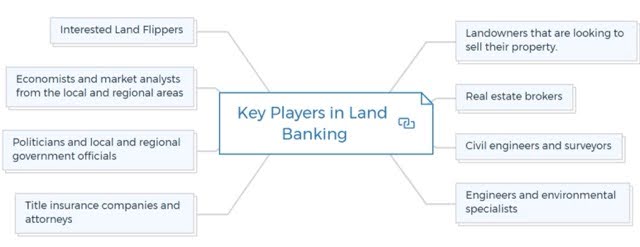
If you’ve ever dreamed of turning dirt into dollars (literally), land banking might just be your new favorite phrase. At its core, land banking means buying undeveloped or under-utilized land and holding onto it for future profit — the classic “buy low, sell high” of real estate investing. In simple terms, you purchase land today and sell it later when its value has increased due to development, population growth, or improved infrastructure.

Unlike flipping houses or juggling rental properties, land banking is a long-term play. You’re not collecting rent or fixing leaky faucets — you’re playing the patient game while the land appreciates. One big reason this works? Land is finite. There’s only so much of it, and as cities expand outward or infrastructure projects roll out, demand — and price — tends to climb. 

But don’t think of it as a passive lottery ticket. Smart land bankers do their homework: they study market trends, zoning laws, future development plans, and regional growth patterns. Investing near transport hubs, new commercial projects, or urban growth corridors can dramatically boost your chances of profit.

Of course, every strategy has risks. The market doesn’t always move in a straight line, and holding land for years requires patience and capital. In some markets, unregulated land banking schemes have raised red flags — so always do due diligence and work with reputable professionals.

In a world where traditional investments can feel volatile, land banking offers a tangible, long-term path to wealth for the savvy investor willing to think big — and wait. 

Screenshot


Filed Under: Uncategorized

Living Part-Time on Raw Land: A Love Story with Dirt

January 13, 2026 by Miles McLaughlin Leave a Comment

There’s something wildly romantic about owning a piece of raw land. No HOA, no nosy neighbors, no “approved paint colors.” Just you, a patch of earth, and the distant sound of your inner pioneer saying, “I could totally live here… sometimes.”

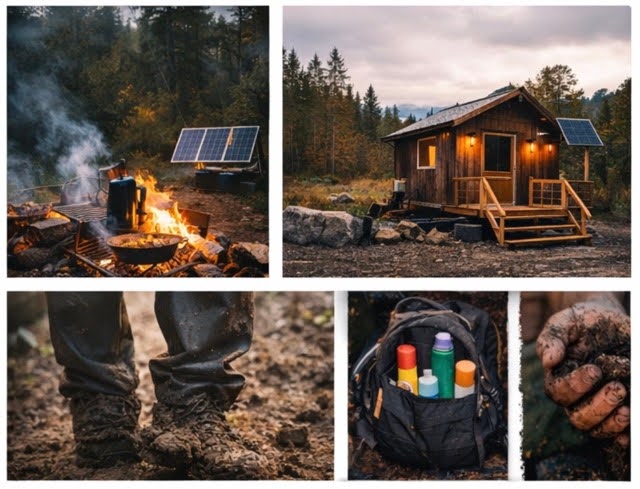
Living part-time on raw land is like dating the wilderness instead of marrying it. You get all the charm—wide-open skies, birdsong, and sunsets that make Instagram weep—without fully committing to year-round mud, frozen pipes, or a generator that only works when Mercury is in retrograde.

Your setup might be a camper, a yurt, a tiny cabin, or something you swore was “temporary” but now has a porch and a Wi-Fi booster. You arrive with groceries, optimism, and three different types of bug spray. You leave with stories, dirt under your nails, and a deep appreciation for flush toilets.

Part-time land living teaches you practical skills you never knew you’d need. You become an amateur meteorologist, a semi-professional firewood stacker, and a master of finding things in the dark with a headlamp. You learn which tools are essential and which ones just look good leaning against a tree.

The beauty is in the balance. You get to unplug, slow down, and remember what stars look like without light pollution. Then, just as you start to miss hot showers and takeout, you head back to civilization like a rugged hero returning from a very muddy quest.

Raw land doesn’t need to be an all-or-nothing lifestyle. Sometimes it’s better as a weekend romance—wild, refreshing, and just structured enough to keep you sane. And honestly, absence makes the dirt grow fonder.

Screenshot

Filed Under: Uncategorized

Using Your Land for Carbon Credits

January 13, 2026 by Miles McLaughlin Leave a Comment

So you own a patch of land — and besides perfecting your “I own land” Instagram selfie, what else can it do for you? How about earning you cash just for letting nature do its thing? Welcome to the world of carbon credits, where your trees and soil become environmental superheroes and paid accordingly.

Here’s the skinny: a carbon credit is basically a permission slip worth one metric ton of carbon dioxide that was removed or avoided from the atmosphere. Think of it as selling the good vibes your land generates. Companies with carbon footprints bigger than their coffee addiction buy these credits to offset their emissions.

So how does your land get in on the action? First, you join a carbon program that measures how much CO₂ is being stored on your property — from trees doing photosynthesis to soils gobbling up carbon and keeping it there. Next, independent verifiers crunch numbers and confirm the carbon is legit. Once certified, those credits can be sold on voluntary carbon markets to companies chasing sustainability goals.

Before you start imagining dollar signs sprouting from oak trees, know this: enrollment takes planning, monitoring, and sometimes long-term commitments. But the payoff? A unique income stream that rewards you for being a climate-conscious landowner — a combo few get to claim.

Want to put your land to work without bulldozers, permits, or construction dust? Carbon credits might be the green you didn’t know your land was hiding. 🌱💰


Filed Under: Uncategorized

What Happens to Land During a Recession

January 13, 2026 by Miles McLaughlin Leave a Comment

Recessions have a funny way of turning land into a personality test. Some people see “opportunity.” Others see “run away.” And land? Land just sits there, quietly judging everyone’s financing assumptions.

Unlike homes or stocks, land doesn’t trade often, so it rarely “crashes” overnight. What usually happens first is a freeze: buyers get cautious, banks tighten credit, and deals take longer. The Federal Reserve’s Senior Loan Officer Opinion Survey consistently shows that during downturns, banks tighten standards for construction and land-development loans, which makes speculative land especially hard to finance. When the money pulls back, activity does too.

Prices follow, but unevenly. Well-located, fully usable parcels—think infill lots or productive farmland—tend to hold up better than “someday” land that needs rezoning, infrastructure, or a brave developer. The Great Financial Crisis made this painfully clear: analysts at the Lincoln Institute of Land Policy found that much of the housing boom (and bust) was driven by swings in land values, not just buildings. When expectations for future development collapsed, land tied to those hopes took the hit.

Farmland behaved differently. According to the USDA, U.S. farm real-estate values dipped in 2009, then began recovering in 2010, reflecting its link to income (crops and rents) and long-term scarcity rather than homebuilder demand. It didn’t escape the recession—but it didn’t implode either.

For buyers, this is where recessions quietly shine. Fewer bidders and tighter credit create motivated sellers: developers stuck mid-cycle, landowners facing balloon payments, or heirs who just want a clean exit. Deals start to include seller financing, price concessions, or flexible closing terms—things that are rare when markets are hot.

The smart recession land buyer isn’t reckless; they’re meticulous. They verify zoning, access, and utilities, run conservative cash-flow and exit scenarios, and assume timelines will stretch. Do that, and downturns can turn into the moment you buy tomorrow’s valuable dirt at yesterday’s optimistic price.


Filed Under: Uncategorized

Wild but Worth It: Buying Land in Offbeat Places

September 18, 2025 by Miles McLaughlin Leave a Comment

In a world where cookie-cutter suburbs and congested cities dominate the real estate scene, some buyers are choosing a different path—one lined with rugged terrain, quirky towns, and untapped potential. Buying land in offbeat locations isn’t just a whimsical adventure; it’s a smart move for those with vision, patience, and a love for the unconventional.

Off-the-beaten-path properties often come with a major perk: affordability. Whether it’s a few acres in remote Alaska, desert land in southern Utah, or forested tracts in Northern Minnesota, prices are generally lower than in more developed areas. With fewer zoning restrictions and lower taxes, you have the freedom to dream big—whether that’s building an off-grid cabin, creating a private retreat, or holding for long-term investment.

But let’s be real—offbeat land isn’t for everyone. You might face dirt roads, no utilities, or spotty cell service. But for the adventurous or solitude-seekers, those are just part of the charm.

Do your due diligence: check access, water, and zoning, and use tools like OnX or Gaia. With the right prep, wild can absolutely be worth it.

If you’ve dreamed of starry skies and miles of privacy, maybe it’s time to get a little wild. The reward? A truly unique slice of freedom.


Here’s why going offbeat might just be your best move:

Freedom to Create

Off-grid locations often have fewer restrictions, giving you creative control over what you build and how you live.

Natural Beauty

From mountain ranges to riverfronts, offbeat places are often located in stunning landscapes that mainstream buyers overlook.

Low Entry Cost

Acre-for-acre, you’ll likely pay much less than you would in a high-demand market.

Filed Under: Uncategorized

Buy Now, Build Later: Why Land Banking Is Gaining Steam

September 18, 2025 by Miles McLaughlin Leave a Comment

In a world where markets can swing faster than a TikTok trend, one real estate strategy is standing the test of time: land banking. The concept is refreshingly simple—buy undeveloped land now, hold it, and either build or sell it later when its value has grown.

Why is this approach gaining so much traction? For starters, land is one of the few truly finite assets out there. As cities expand and remote work fuels the rural revival, buyers are eyeing raw land as both a safe haven and a future goldmine. Whether it’s for residential development, off-grid living, or long-term investment, people are playing the long game—and winning.

“The best time to buy land was yesterday. The second-best time? Still today.”


Land Is Limited and Tangible

Unlike stocks or crypto, land isn’t something they can just make more of. It’s a finite resource—and that scarcity makes it valuable.

Urban Sprawl and Remote Work Are Changing the Map

As cities overflow and remote work sticks around, people are looking for space—whether it’s for homes, homesteads, or hideaways.

It’s Low Maintenance and Low Cost to Hold

No buildings mean no plumbing emergencies. Plus, property taxes and upkeep are typically much lower than developed real estate.


Embrace Digital Transformation

Land banking isn’t about overnight success—it’s about patience, timing, and smart investing. Whether you’re dreaming of a future build or simply want to grow your portfolio with something solid, land is a bet many are willing to make.

Filed Under: Uncategorized

From Trees to Timber: Making Money on Wooded Lots

September 18, 2025 by Miles McLaughlin Leave a Comment

Turning Your Woods Into Wallet Filler
If you own a heavily wooded property, you might be sitting on a literal goldmine of green—and we don’t just mean the scenery. While many landowners see trees as peaceful backdrops or privacy buffers, savvy investors know that mature timberland is a hidden asset with serious earning potential. The best part? You don’t have to clear-cut the land or compromise its natural beauty to turn a profit. With smart planning and a little market awareness, your trees can work for you—quietly growing in value while you enjoy the shade.


Logging in Profits

  • Selective Timber Harvesting
    Harvest mature, high-value trees while keeping your forest healthy and profitable.

  • Timber Management Plans
    Work with forestry experts to maximize timber value through sustainable, long-term planning.

  • Leasing for Specialty Use
    Rent out your wooded land to foragers, hunters, or firewood harvesters for hands-off income.

  • Tax Benefits
    Managed timberland may qualify you for property tax breaks under conservation or ag exemptions.


Whether you’re looking for a new revenue stream or just want to maximize your investment, don’t overlook the potential of your trees. At Wilco Land, we often work with buyers looking for wooded parcels that double as income-generating assets. Check out our listings at wilcolandllc.com to start growing your timber portfolio.

Filed Under: Uncategorized

Off the Grid, On the Money: How to Profit from Remote Land

September 18, 2025 by Miles McLaughlin Leave a Comment

Going off the grid used to be about escape. Now? It’s about opportunity. Remote land isn’t just for survivalists and off-grid dreamers anymore—it’s a low-cost, high-potential way to build wealth creatively and sustainably. Whether you’re looking to cash in quickly or create a long-term passive income stream, here’s how remote land can work for your wallet.


At Wilco Land, we specialize in finding these hidden gems—the kind of land that’s off the beaten path but right on target for value. We know the thrill of discovering a place where possibilities outweigh the price tag, and we’re here to help you turn dirt into dollars. Whether you’re a weekend homesteader, savvy side hustler, or long-term investor looking to diversify, remote land offers a unique opportunity to build something meaningful—on your terms, your timeline, and your budget.

We make it easy to explore and evaluate each property with detailed listings, GPS-guided video tours, and honest insights on what to expect when you buy. So if you’ve been dreaming of land that works for your lifestyle and your wallet, you’re in the right place.


Here are three profit-friendly paths with remote land:

🔹 Short-Term Rentals or Camping Sites

Platforms like Hipcamp and Airbnb are packed with travelers seeking unique, nature-based stays. If your property is near scenic views, forests, lakes, or national parks, you can set up glamping tents, tiny homes, or even RV hookups to cash in on outdoor tourism.

🔹 Recreational Leases & Permits

Hunters, off-roaders, and outdoor enthusiasts often lease land seasonally. You can also allow access for activities like hiking, horseback riding, or snowmobiling. These types of leases bring in recurring income—no building required.

🔹 Buy Low, Sell Higher (Land Banking)

Remote land is affordable now, but growth and development can turn today’s outback into tomorrow’s hot commodity. Holding onto strategically located parcels and flipping them later can yield major profits as nearby areas expand.

Filed Under: Uncategorized

Why Remote Land Is Attracting Digital Nomads and Off-Grid Dreamers

September 18, 2025 by Miles McLaughlin Leave a Comment

As Zoom calls replace office cubicles and wanderlust fuels our search for freedom, one trend is becoming clear: remote land is having a serious moment. Digital nomads and off-grid dreamers are trading skyscrapers for starry skies, and it’s not hard to see why.

For digital nomads, remote land offers the ultimate live/work/freedom trifecta. You can set up your Starlink satellite, open your laptop to mountain views, and still hit your deadlines—all while sipping coffee brewed over a campfire. With fewer distractions, lower costs, and no HOA in sight, owning land gives remote workers the space to create their ideal lifestyle (and maybe even their ideal cabin).

Meanwhile, off-grid enthusiasts are leaning into land as a blank slate for self-reliance. Solar panels, composting toilets, rainwater catchment systems—these aren’t just buzzwords; they’re part of a growing movement toward sustainability and independence. Remote land gives you the freedom to build your own rules and the satisfaction of living life on your own terms.

At Wilco Land, we’ve seen this shift firsthand. More buyers are looking for secluded acreage that’s buildable, scenic, and off-the-beaten-path—but still accessible. Whether it’s 5 acres in the mountains of Washington or 20 acres under the big sky of Montana, people are craving space, simplicity, and the ability to unplug (or plug in on their terms).

Bottom line? Remote land isn’t just dirt—it’s a launchpad for a lifestyle. And for digital nomads and dreamers alike, that’s pure gold.

Filed Under: Uncategorized

Virtual Land Tours Are Here: How to Evaluate Property Without Ever Stepping Foot On It

September 18, 2025 by Miles McLaughlin Leave a Comment

Who says you need hiking boots to go land shopping? With virtual land tours, you can explore your future slice of paradise in your pajamas—no bug spray required. At Wilco Land, we’re bringing the dirt to your screen, minus the mud.

Using drone videos, zoomable plat maps, Google Earth views, and photos that actually show more than just trees, we help you size up that dream lot without ever leaving your couch. Want to know if it’s flat enough for a tiny home? Or how far it is from a river, trailhead, or town? We’ve got you covered—virtually.


Why Virtual Land Tours?

In today’s digital-first world, exploring land for sale doesn’t require driving hours or booking flights. Virtual land tours let you evaluate properties from anywhere—and Wilco Land is at the forefront with tools that make your land-buying journey smooth, informative, and flexible.


What You Get with Wilco Land

  • Rich Listings Beyond Maps
    Wilco Land’s listings aren’t just plotted parcels—they’re rich with aerial photos, plat maps, GIS overlays, and GPS coordinates. These enable virtual “walk-arounds,” helping you gauge terrain, accessibility, and boundaries before you ever see the land in person.

  • Interactive Google Earth Files
    Each property listing links directly to a Google Earth (.kmz) file, shading your parcel and showing adjacent terrain, access routes, and natural features. You can circle the land, measure distances, and do a virtual driving tour of the surrounding area—ideal for remote rural and off-grid acreage.

  • Personalized Video Walkthroughs
    For many of our listings, we create dedicated YouTube videos where we personally walk you through the property—sharing everything we know. We break down how to visit the land, what to look out for, and how to do your own due diligence like a pro.

  • Empowering Remote Buyers
    Because Wilco Land is a self-serve platform, we empower buyers with everything needed for remote due diligence. Use provided GPS coordinates alongside county zoning links, tax maps, and utility-potential insights to assess buildability, water availability, and future land use.


Our Mission

“At Wilco Land, our goal is to make land ownership accessible, transparent, and affordable. By harnessing virtual tours, we drastically lower your time and travel cost—and still empower you to make confident, well-informed choices.”

Filed Under: Uncategorized

No Roads Required: How Tech Is Changing Land Ownership Forever

September 18, 2025 by Miles McLaughlin Leave a Comment

Filed Under: Uncategorized

Beyond the Dirt: Turning Vacant Lands into Self-Storage Parking Space

September 18, 2025 by Miles McLaughlin Leave a Comment

Turn Vacant Land into a Cash Cow: Self-Storage & Parking Lot Profits

Ever stare at an empty plot of land and think, “What am I supposed to do with this—build a castle?” While that’s certainly an option, we’ve got an easier (and much more profitable) idea: self-storage and parking lots.

At Wilco Land, we don’t just sell dirt—we sell opportunity. Whether you’re an investment newbie or a seasoned land baron, turning a piece of land into a self-storage facility or parking lot is one of the easiest ways to make your land work for you while you sit back and collect cash.

Why Self-Storage & Parking Lots?

  • People Always Need Space – Whether it’s RVs, boats, or the random junk people refuse to part with, storage is always in demand.

  • Low Maintenance, High Rewards – No clogged sinks, no tenant drama—just passive income with minimal upkeep.

  • Start Small, Grow Big – Begin with a gravel lot, expand to covered parking, then upgrade to full-fledged storage units.

  • Zoning-Friendly – Unlike some land uses, storage and parking are often easier to get approved. (Just double-check first—you don’t want surprises!)

  • Consistent Cash Flow – Long-term renters mean predictable, steady income without the headache of constantly finding new tenants.

“Imagine a space that offers both secure, containerized storage units and dedicated parking areas for vehicles like RVs, boats, trailers, or even extra cars. This is the essence of a self-storage parking lot.”

How to Get Rolling (Without Breaking a Sweat)

  • Find the Right Property – Wilco Land has plenty of listings perfect for self-storage or parking. (We know because we hand-pick them.)

  • Check the Boring Legal Stuff – Zoning, permits, blah blah blah. Trust us, it’s worth the research.

  • Design Your Money-Maker – Gravel lot? Covered storage? Climate-controlled units? Go as big or as simple as you like.

  • Start Raking in Rent – List your space on Craigslist, Facebook Marketplace, or specialized rental sites, then watch the inquiries roll in.

Grab a Prime Piece of Land Before Someone Else Does

Wilco Land constantly adds new properties that are prime for self-storage or parking. If you want to turn vacant land into a money-making machine, check out our listings at Wilco Land or hit us up for recommendations.

Don’t Let Your Land Sit There Doing Nothing – Empty land is nice to look at, but wouldn’t it be nicer if it paid for itself? Browse our available properties today and turn that blank slate into a cash-generating empire.

Filed Under: Uncategorized

HOA vs. POA: What’s the Deal?

September 18, 2025 by Miles McLaughlin Leave a Comment

If you’ve ever shopped for property, you’ve probably come across the acronyms HOA and POA. No, they’re not secret societies or exclusive clubs (though sometimes they might feel that way). They’re homeowner associations (HOAs) and property owner associations (POAs), and while they share some similarities, they play very different roles in the world of real estate.

So Which One is Better?

It depends on what you’re looking for. Want a pristine, well-maintained neighborhood with clear guidelines? An HOA is your best bet. Prefer a little more freedom while still having some community benefits? A POA might be a better fit.

At the end of the day, these associations exist to create order and maintain property values. Sure, they may sometimes feel like overbearing hall monitors, but when done right, they can actually enhance the quality of your living experience. After all, a little structure never hurt anyone—except maybe that guy who wanted to paint his house neon orange.

“HOAs are laser-focused on your immediate vicinity, while POAs cast a wider net. It’s like comparing a classroom teacher to the school principal.”

HOA: The Rule Makers

A Homeowner Association (HOA) is exactly what it sounds like—an organization that oversees a community of homeowners. Think of it as the neighborhood parent, keeping everything neat and orderly. HOAs enforce rules about lawn care, house colors, fence height, and even the type of mailbox you can have. They also collect fees for maintaining shared spaces like pools, parks, and clubhouses.

Yes, HOAs can feel a bit restrictive, but they can also be a good thing. They help maintain property values, ensure common areas are well-kept, and provide a sense of community. Plus, if you don’t want your neighbor’s rusty truck permanently parked on the front lawn, an HOA can make sure that doesn’t happen.

POA: The Big Picture Overseers

A Property Owner Association (POA), on the other hand, is a broader concept. It doesn’t necessarily regulate homes but can oversee larger areas, including commercial properties and undeveloped land.

POAs focus on long-term development, infrastructure, and maintaining a general standard for the area. Unlike HOAs, their rules tend to be less strict, and membership may not always be mandatory.

At Wilco Land, we offer a variety of properties to match your lifestyle—whether you prefer the structure of an HOA, the flexibility of a POA, or complete freedom with no association at all. Explore our listings and find the perfect piece of land that fits your vision!

Filed Under: Uncategorized

The Airbnb of the Outdoors: Raw Land as Your Camping Retreat

September 18, 2025 by Miles McLaughlin Leave a Comment

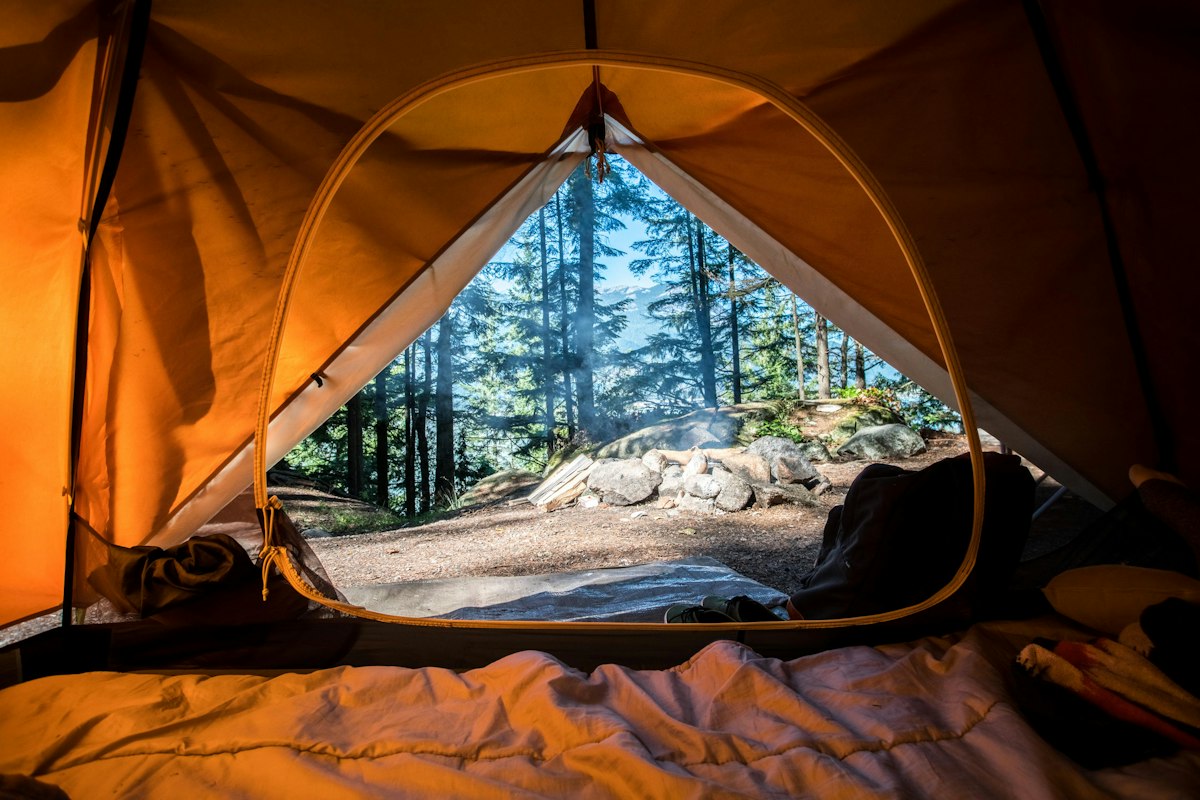
Tired of crowded campgrounds, noisy neighbors, and the struggle to book a decent spot? Welcome to the world of raw land camping—a place where you set the rules, pick the views, and truly disconnect. Think of it as the Airbnb of the outdoors, but instead of a cozy cabin or a beachfront condo, you get an untouched slice of nature all to yourself.

More and more outdoor enthusiasts are discovering the perks of owning or renting raw land for camping. Whether it’s a secluded forest, a riverside retreat, or wide-open desert landscapes, raw land gives you the freedom to camp how you want, when you want. No need to fight for reservations—just pull up, set up, and soak in the solitude.

“Renting out your land for camping—through platforms like Hipcamp or private listings—can generate passive income without the hassle of full-scale development.”

For landowners, this trend offers a unique investment opportunity. Renting out your land for camping—through platforms like Hipcamp or private listings—can generate passive income without the hassle of full-scale development. It’s a win-win: campers get an exclusive retreat, and you get to monetize unused acreage.

And if you’re thinking about buying land for your own camping getaway? Even better. At Wilco Land, we specialize in recreational properties across the U.S., offering secluded spots perfect for off-grid camping, weekend escapes, or long-term investment. The best campsites aren’t always in a national park. Sometimes, they’re the hidden gems of private land—waiting to be explored.

Filed Under: Uncategorized

The Future of Land Ownership: Why Micro-Lots Are the Next Big Thing

September 18, 2025 by Miles McLaughlin Leave a Comment

“The future of land ownership isn’t just sprawling estates—it’s compact, clever, and within reach.”

Zoning and utility access still matter, but the real estate landscape is shifting. More areas are embracing small-scale development, making micro-lots an even smarter bet. And since Wilco Land specializes in unique, off-market properties, you won’t have to sift through overpriced, overhyped listings to find a gem.

So, if you’re ready to invest without going extra, check out our selection of micro-lots. The future of land ownership isn’t just sprawling estates—it’s compact, clever, and within reach.

Who says bigger is always better? When it comes to land investment, small is stealing the spotlight. Micro-lots—typically under an acre—are proving that you don’t need a massive footprint to make a smart real estate move. And lucky for you, Wilco Land has plenty of them (because tiny is trending).

Why Go Micro?

Affordability: With land prices rising, these smaller parcels let you claim your slice of the world without a jaw-dropping price tag. They’re perfect for first-time buyers, seasoned investors, or anyone who loves the idea of land ownership without the hassle of maintaining acres upon acres.

Versatility: Want a weekend getaway? A minimalist homestead? A long-term investment? Micro-lots can be all that and more. And with growing trends in tiny homes, off-grid escapes, and creative housing solutions, these small-but-mighty properties are becoming even more valuable.

Filed Under: Uncategorized

Using Onxmaps for successful land visits

March 13, 2023 by Miles McLaughlin

Master Your Land Visits with OnX Maps: A Game-Changer for Land Buyers

Visiting a rural property can be one of the most exciting steps in your land-buying journey—but only if you’re prepared. That’s where OnX Maps comes in. At Wilco Land, we rely on this powerful app to help buyers navigate raw land with confidence.

OnX Maps offers detailed property boundaries, topographic overlays, and GPS tools, making it an essential companion for off-grid property scouting. Whether you’re deep in the woods or off the beaten path, the app keeps you oriented—even offline. Download maps ahead of time, track your hikes, mark potential build sites, or note access points. You’ll never have to guess where the property ends or wonder if you’re still on the right track.

We link OnX property maps in many of our listings, so you can view boundaries in real time during your visit. No more relying solely on vague directions or unmarked roads.

Bottom line? If you’re planning a self-guided visit to one of our properties, do yourself a favor—get OnX Maps. It turns land tours into smart, successful adventures.

Ready to explore? Check out our listings and hit the ground running—with OnX in your pocket.

Filed Under: Shasta, CA, Siskiyou, CA, Lane, OR, Deschutes, OR, Crow Wing, MN, Stevens, WA, Custer, SD, Chelan, WA, Okanogan, WA, Spokane, WA

Is buying a landlocked property worth it?

February 13, 2023 by Miles McLaughlin

Buying a landlocked vacant land can offer many advantages to the buyer. Here are some of the key benefits that come with investing in such a property.

Firstly, landlocked vacant lands are often more affordable than other types of real estate. This is because they lack access to roads or utilities, which can be a major disadvantage for some buyers. However, if you are willing to invest in these things yourself, you can often get a great deal on the land itself.

Secondly, landlocked vacant lands are typically more secluded and private than other types of properties. This can be a major advantage if you are looking to build a vacation home or simply enjoy a more peaceful lifestyle. With no road access, there is less chance of noise pollution or unwanted visitors, which can make for a more enjoyable living experience.

“From affordability and seclusion to creative freedom and investment potential, there are many reasons to consider this type of property for your next purchase.”

Thirdly, landlocked vacant lands often offer more creative freedom when it comes to building or development. With no existing infrastructure to work around, you can design your property exactly how you want it without any limitations. This can be a great advantage for those who want to build a unique
and personalized home.

Lastly, landlocked vacant lands can offer great investment potential. As populations continue to grow, land becomes increasingly valuable. By purchasing a piece of landlocked land, you can potentially reap in the long term as the surrounding areas continue to develop and become more accessible.

In conclusion, buying a landlocked vacant land can offer many advantages to the savvy buyer. From affordability and seclusion to creative freedom and investment potential, there are many reasons to consider this type of property for your next purchase.

Filed Under: Uncategorized

  • 1
  • 2
  • 3
  • Next Page »

About Wilco Land

Thanks for ​checking out​ ​Wilco Land​! My name is Miles McLaughlin. ​Wilco Land was​ ​started to ​increase the availability and exposure of vacant land that is going unused. Our goal is to provide land at an affordable price, so everyone has the opportunity to own a piece of America for themselves. Questions or want to chat? Give us a call or email, we love to talk land.

Follow Us

  • Facebook
  • Twitter

We help you find your dream land.

Whether you are looking for a beautiful setting for a second home, a place to camp and hunt, or a legacy to leave your family, we offer epic and unique properties that fit what you need..

Contact: (605) 299-5553
Email: sales@wilcolandllc.com

  • Home
  • Listings
  • On Sale
  • Payment
  • Team
  • FAQs
  • Earn $250
  • Blog
  • Sell Your Land
  • Contact Us

Copyright © 2026 · AgentPress Pro Theme on Genesis Framework · WordPress · Log in | Terms of Use and Privacy Policy