
Land is the original “buy and hold.” Before index funds, before crypto, before your cousin tried to sell you fractional ownership of a vineyard in the metaverse, families built security the old-fashioned way: they owned dirt, kept it, and passed it down.
And honestly? The dirt keeps receipts.
1) Land is scarce. Your money is… enthusiastic.
You can print money. You can’t print a new coastline, a new downtown, or an extra acre next to the highway exit everyone suddenly loves.
That scarcity is why land often appreciates over long periods—especially when population grows, infrastructure shows up, or zoning restricts what can be built. (Translation: the value rises partly because the neighborhood changes and partly because the rules say “nope” to more supply.)
2) It’s forced saving in a world of “treat yourself”
A huge reason land builds wealth is boring—in the best way: it forces you to accumulate equity.
In the U.S., home equity is a major chunk of what typical households own. Pew found that if you strip home equity out, median net worth drops dramatically (from $166,900 to $57,900 in their 2021 analysis). That’s not just a statistic; that’s the plot.
3) Land can pay rent while it appreciates (the “two engines” trick)
Unlike many assets, land and real estate can:
- Appreciate over time, and
- Generate cash flow (rent, farm income, grazing leases, timber, even wind/solar leases in some places)
That combination is why families will hold property for decades: it’s not just a number on paper—it can help pay tuition, cover emergencies, or fund a retirement without selling the underlying asset.
4) It’s easier to pass down than a stock portfolio (emotionally and practically)
A brokerage account is divisible with a few clicks. A family farm, cabin, or “grandma’s lot” is a story—memories, identity, and tradition. People will endure paperwork, sibling group chats, and decades of mowing just to keep it.
Also, practically: property is a “visible” asset. It’s easier for many families to rally around a place than an abstract mix of funds and tickers.

5) The tax code often rewards patient landowners (yes, really)
Two big (very real) reasons long-term holders like holding:
- Like-kind exchanges (Section 1031): In certain cases, exchanging investment/business real property for other qualifying real property can defer capital gains taxes (tax-deferred, not tax-free).
- Stepped-up basis at death: In many situations, inherited assets get their basis adjusted, which can reduce capital gains taxes if heirs sell later. (Details vary—talk to a pro for your situation.)
This helps explain the “we’re never selling” family vibe. Sometimes it’s sentiment. Sometimes it’s spreadsheets.
6) Farmland is a special flavor of “hold it forever”
Farmland is a classic generational asset because it can produce income and has shown long-run value growth. USDA ERS reports average U.S. farmland value around $4,350/acre in 2025, up year-over-year.
That doesn’t mean it goes up every year everywhere—but it does help explain why families treat acres like heirlooms.
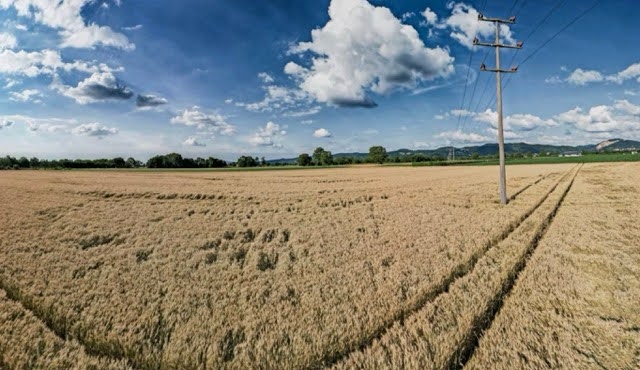
In a world where everything else feels rented—from apps to apartments—land is one of the few assets you can truly own, grow, and hand down with pride. When cared for and planned wisely, it doesn’t just hold value; it carries forward opportunity, stability, and a family’s story for generations.



Contact Us About This Property