Recessions have a funny way of turning land into a personality test. Some people see “opportunity.” Others see “run away.” And land? Land just sits there, quietly judging everyone’s financing assumptions.

Unlike homes or stocks, land doesn’t trade often, so it rarely “crashes” overnight. What usually happens first is a freeze: buyers get cautious, banks tighten credit, and deals take longer. The Federal Reserve’s Senior Loan Officer Opinion Survey consistently shows that during downturns, banks tighten standards for construction and land-development loans, which makes speculative land especially hard to finance. When the money pulls back, activity does too.
Prices follow, but unevenly. Well-located, fully usable parcels—think infill lots or productive farmland—tend to hold up better than “someday” land that needs rezoning, infrastructure, or a brave developer. The Great Financial Crisis made this painfully clear: analysts at the Lincoln Institute of Land Policy found that much of the housing boom (and bust) was driven by swings in land values, not just buildings. When expectations for future development collapsed, land tied to those hopes took the hit.
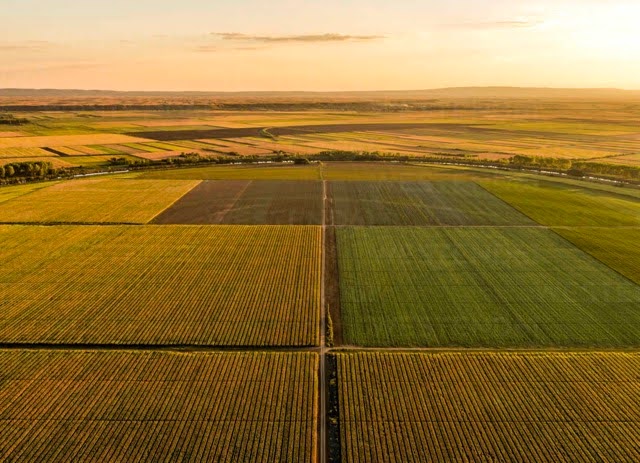
Farmland behaved differently. According to the USDA, U.S. farm real-estate values dipped in 2009, then began recovering in 2010, reflecting its link to income (crops and rents) and long-term scarcity rather than homebuilder demand. It didn’t escape the recession—but it didn’t implode either.
For buyers, this is where recessions quietly shine. Fewer bidders and tighter credit create motivated sellers: developers stuck mid-cycle, landowners facing balloon payments, or heirs who just want a clean exit. Deals start to include seller financing, price concessions, or flexible closing terms—things that are rare when markets are hot.
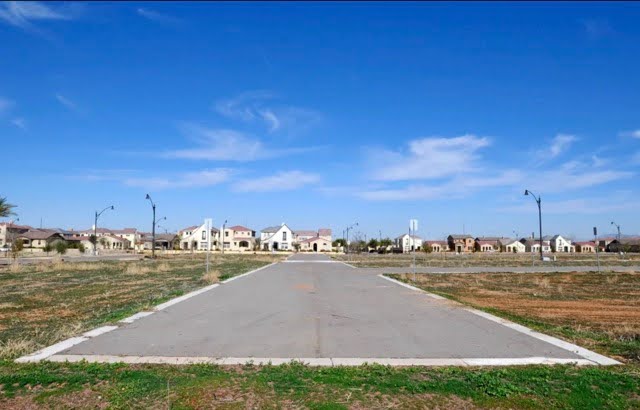
The smart recession land buyer isn’t reckless; they’re meticulous. They verify zoning, access, and utilities, run conservative cash-flow and exit scenarios, and assume timelines will stretch. Do that, and downturns can turn into the moment you buy tomorrow’s valuable dirt at yesterday’s optimistic price.



Contact Us About This Property